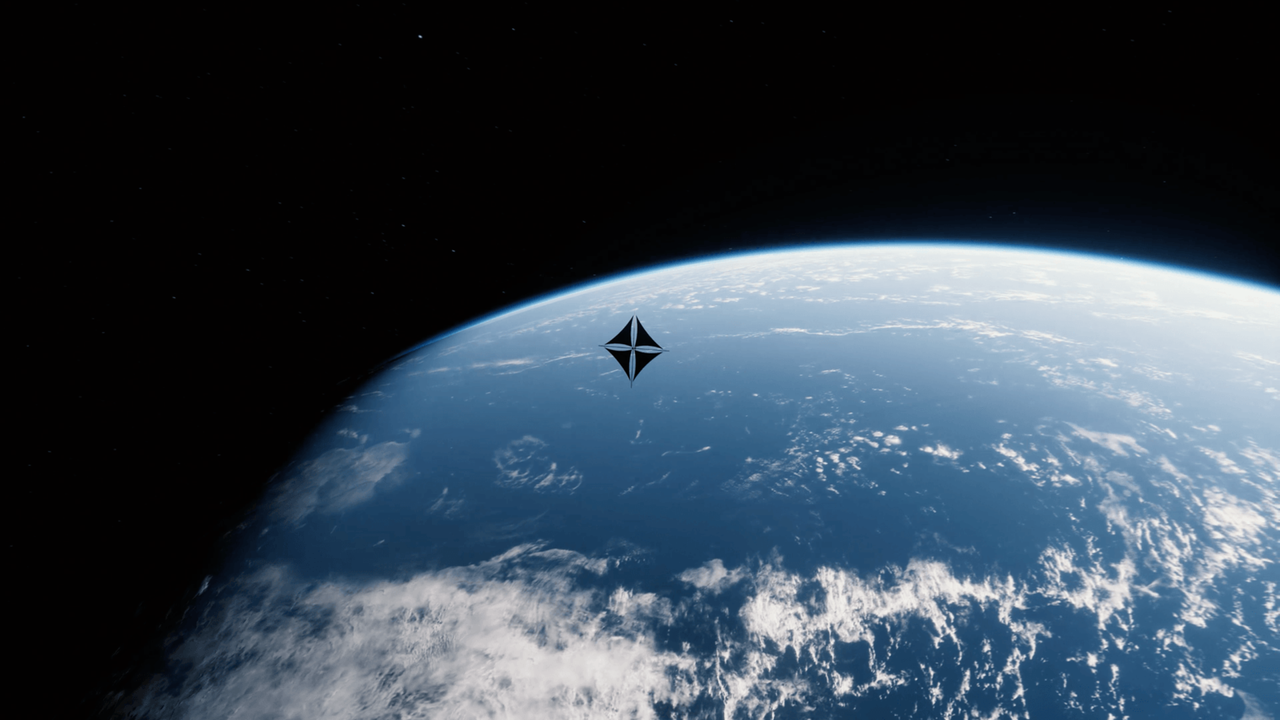
FCC approves testing of satellites designed to reflect sunlight toward Earth Startup plans thousands of orbital mirrors capable of extending daylight periods Scientists warn artificial sunlight could interfere with astronomical observations worldwide A California startup has received approval from the Federal Communications Commission (FCC) to test satellites designed to reflect sunlight toward Earth. Reflect Orbital plans to launch its Eärendil-1 spacecraft with large orbital mirrors capable of extending daylight in selected areas. The concept promises new applications for energy and emergency services, although scientists have raised concerns about its broader consequences. Reflect Orbital to begin testing of ambitious sunlight reflection technology The Eärendil-1 satellite will operate in low Earth orbit with four thin film reflectors measuring about 18 meters, or roughly 60 feet, across. The reflected sunlight will be directed toward specific locations for short periods, supporting activities such as construction work, search and rescue operations, and solar power generation. Reflect Orbital says its mirrors could eventually deliver up to 36,000 lux, roughly comparable to genuine daylight conditions found outdoors. The system could also provide around 100 lux continuously, similar to lighting typically found inside standard indoor workspaces around the clock. “We’re grateful to the FCC for recognizing the importance of testing novel technologies in space,” Ben Nowack, chief executive of Reflect Orbital, said in a statement. “This license is the first step toward rigorously testing our technology’s efficacy and the safeguards we have developed.” The idea has drawn comparisons with the fictional Icarus satellite from the James Bond film Die Another Day, where an orbital reflector was designed to bring sunlight to dark regions. While the real technology differs significantly from the movie concept, critics argue similar questions about unintended effects remain rel
تقنية
Space mirrors get FCC approval — orbiting mirrors will look to extend daylight to the darkness, but wasn't this the plot of a Bond film?