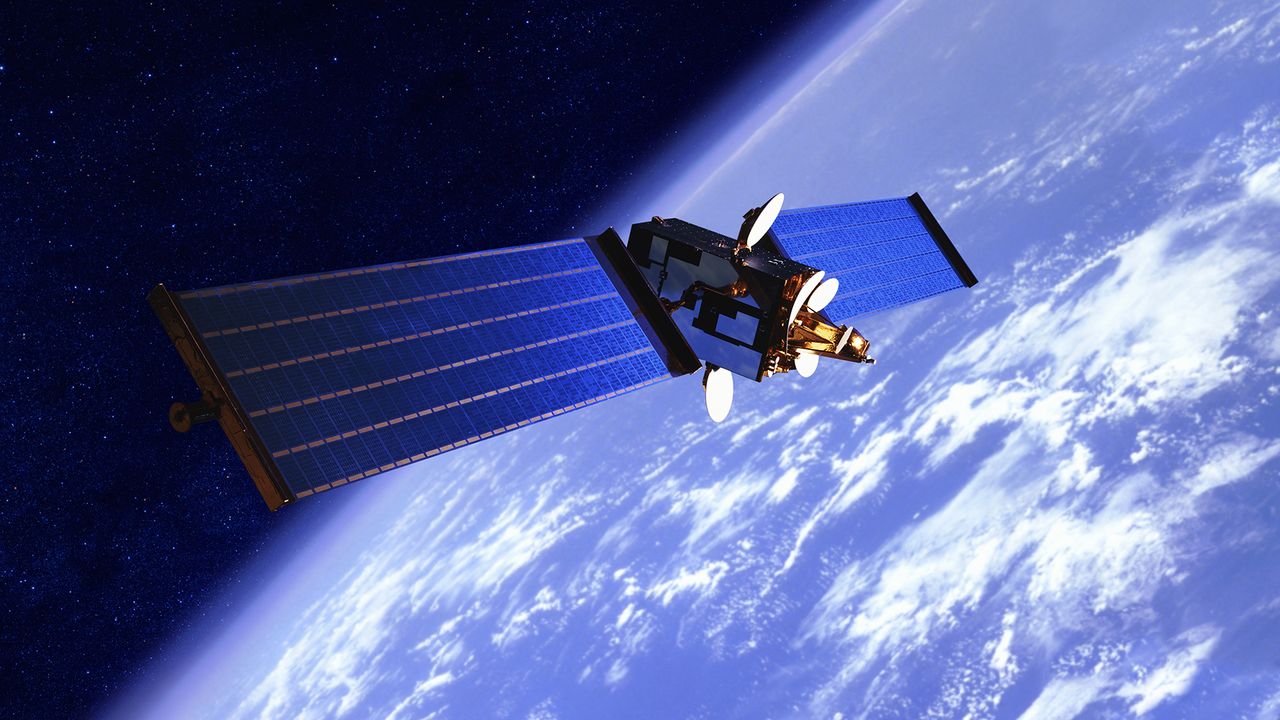
Russia moves closer to launching another wave of Rassvet communication satellites Fresh launch notice points toward another important milestone for the Rassvet network Russia plans hundreds of satellites to build an independent communications network A recent aviation notice suggests Russia is preparing to launch satellites for its Rassvet communications network within the coming days. The notice, identified by a social media user tracking Russian launches, points to a launch window at Plesetsk Cosmodrome between July 11 and July 16 2026. Roscosmos, the agency in charge of the country’s space program, has not confirmed the exact timeline, and there is no official comment from the Russian government. A constellation years in the making The first three Rassvet satellites reached orbit in 2023 aboard the Rassvet-1 mission from Vostochny Cosmodrome, alongside other Roscosmos payloads. Those units served purely as test hardware, verifying data transmission, communication stability, and orbital behavior rather than offering commercial service. Three larger satellites followed in May 2024 under the Rassvet-2 mission, launched from Plesetsk Cosmodrome as fully-fledged production prototypes for testing. These prototypes tested satellite communication equipment supporting the 5G NTN standard, along with laser links connecting satellites directly in orbit. Production challenges reportedly affected supply chains for critical components, contributing to schedule slips across multiple phases of the broader program. In March, Bureau 1440 announced the launch of 16 satellites forming the foundation of the future Rassvet system, roughly three months behind the original schedule. The notice specifies that one or two launch vehicles could lift off from Plesetsk during the five-day window identified by observers. Military stakes behind the deployment timeline Russia's federal project on internet access infrastructure outlines a phased rollout, with 156 satellites planned for 2026 and 2
تقنية
Russia to launch Rassvet Starlink rival within days with 318-strong satellite constellation expected by 2028